Portable Power Stations: Choosing the Right 500W Model
Advertisement
Portable Power Stations: Choosing the Right 500W Model for Outdoor Adventures
Portable power stations have become essential companions for outdoor enthusiasts. This guide breaks down what to look for in a 500W model, from battery capacity to charging ports, helping you make an informed choice for your next adventure.
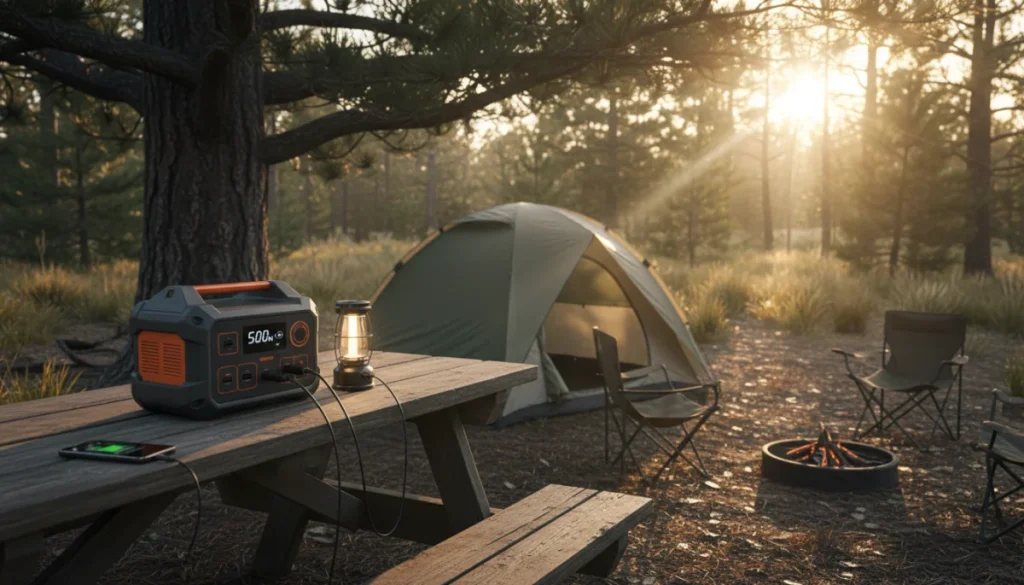
When you head into the wilderness, keeping your devices powered no longer means sacrificing modern convenience. Portable Power Stations: Choosing the Right 500W Model for Outdoor Adventures has become a common search for campers, hikers, and road trippers seeking reliable off-grid energy. These compact units bridge the gap between small power banks and full generator systems, offering enough capacity to charge phones, run small appliances, and keep emergency equipment operational.
Understanding what differentiates one 500W model from another can save you money and ensure you never get stranded with a dead device. The market has expanded significantly, with dozens of options now competing for attention. This guide examines the key specifications, real-world performance, and practical considerations that matter most when selecting your power companion.
Understanding 500W Capacity and Real-World Usage
The term 500W refers to the inverter’s continuous output rating, not the battery capacity. This distinction matters because it determines what devices you can run simultaneously. A 500W portable power station can handle most small electronics, from smartphones and tablets to laptops and LED lights. However, it won’t power high-draw appliances like space heaters or coffee makers that require 1000W or more.
Battery capacity, measured in watt-hours (Wh), tells you how long the station will last. Most 500W models feature capacities between 400Wh and 1000Wh. A 500Wh station can charge a smartphone approximately 30-40 times or run a mini refrigerator for about 6-8 hours. Understanding this relationship helps you match the unit to your specific needs.
Calculating Your Power Requirements
Before purchasing, list all devices you plan to charge and their power draw. Smartphone chargers typically use 5-20W, laptops require 30-65W, and portable fans draw 30-50W. Add these figures together and estimate your total runtime. This exercise reveals whether a given model meets your adventure requirements or falls short when you need it most.
Advertisement
- Smartphones: 5-20W per charge
- Laptops: 30-65W per charge cycle
- LED lights: 5-15W per hour
- Portable fans: 30-50W per hour
Charging Options and Connectivity Ports
Modern portable power stations offer diverse output options that determine their versatility. USB-A ports remain standard for legacy devices, while USB-C Power Delivery (PD) ports have become essential for fast-charging modern smartphones and tablets. Look for stations with at least one 100W USB-C port if you plan to charge laptops in the field.
AC outlets provide the familiar three-prong sockets found in home walls, enabling you to plug in standard electronics. Some models include a 12V car port, useful for vehicle-based charging or powering car accessories. The number of ports varies significantly between models, so consider how many devices you’ll need to charge simultaneously.
Input Charging Methods
How you recharge the power station matters as much as its outputs. Most models support wall charging (AC), car charging (12V), and solar panel input. Wall charging typically takes 4-8 hours for a full charge. Solar charging, though slower, extends your off-grid capabilities significantly. Ensure the station supports pass-through charging if you need to use it while recharging.
Battery Technology and Longevity
Lithium iron phosphate (LiFePO4) batteries have become the preferred choice for quality portable power stations. These cells offer 3000+ charge cycles compared to 500 cycles for standard lithium-ion, meaning your investment lasts much longer. While LiFePO4 models often cost more upfront, the extended lifespan provides better value over time.
Temperature tolerance also varies between battery types. LiFePO4 batteries perform better in extreme cold and heat, making them suitable for year-round outdoor use. If you camp in varying climates, this durability factor deserves consideration when making your selection.
Weight and Portability Considerations
A 500W portable power station typically weighs between 10-20 pounds. This weight becomes significant when you’re carrying gear long distances. Some manufacturers offer compact, lightweight designs that sacrifice some capacity for improved portability. Balance your power needs against how far you’ll need to transport the unit.
Safety Features and Build Quality
Reliable power stations include multiple safety protections built into their design. Overcharge protection prevents battery damage during charging. Short circuit protection guards against electrical faults. Temperature control prevents overheating during heavy use or in hot environments. These features appear in quality units across price points.
Build quality affects durability in outdoor conditions. Look for models with rugged exteriors, rubberized corners, and dust-resistant construction. Some stations carry IP ratings indicating water and dust resistance. If your adventures involve challenging weather or rough handling, prioritize durability features.
Brand Reputation and Warranty Coverage
Established brands typically offer better customer support and more reliable products. Research manufacturer reputation before purchasing. Warranty coverage ranges from one year to three years, with some brands offering extended options. A solid warranty provides peace of mind and indicates manufacturer confidence in their product.
Making Your Final Selection
Choosing the right 500W portable power station ultimately depends on your specific adventure requirements. Consider where you’ll use it most often, what devices need power, and how long you’ll be away from traditional power sources. A camping weekend requires different specifications than extended off-grid expeditions.
Reading user reviews reveals real-world performance that specifications alone cannot capture. Pay attention to comments about actual battery life, charging speed, and durability over time. These insights help you avoid models that look good on paper but disappoint in practice.
Advertisement
What Happens Next
The portable power station market continues evolving with improved battery technology and more efficient inverters. New models increasingly offer faster charging, higher capacities, and smarter power management. Staying informed about these developments helps future-proof your purchase decision.
As outdoor recreation grows in popularity, the demand for reliable portable power will only increase. Manufacturers respond by offering more options at various price points. Research thoroughly, compare specifications, and select a model that matches your adventure lifestyle. The right 500W portable power station transforms your outdoor experience by keeping you connected, safe, and comfortable regardless of how far you venture from civilization.