Drone Technology: 7 Essential Pre-Flight Checks for Optimal Performance
Advertisement
Master the 7 essential pre-flight checks for optimal drone performance. From battery inspection to firmware updates, ensure safe and efficient flights every time you launch your aircraft.
Drone Technology: 7 Essential Pre-Flight Checks for Optimal Performance
Pre-flight checks represent the foundation of safe and efficient drone operations. Whether you’re a recreational pilot or a commercial operator, understanding these critical inspection points can mean the difference between a successful flight and an expensive crash. The evolution of drone technology has made these checks more sophisticated, yet the core principles remain unchanged.
Modern drones incorporate advanced sensors and self-diagnostic systems, but pilot vigilance remains irreplaceable. This guide examines the seven essential pre-flight checks that every drone operator should perform before every flight, regardless of experience level or aircraft complexity.
Understanding Pre-Flight Inspection Fundamentals
Pre-flight inspections serve multiple purposes beyond simple safety compliance. They provide an opportunity to identify potential issues before they become critical failures. Regular systematic checks also help operators develop a deeper familiarity with their aircraft, enabling them to notice subtle changes that might indicate developing problems.
The drone technology industry has developed standardized inspection protocols based on accumulated operational experience and manufacturer recommendations. These protocols balance thoroughness with practicality, ensuring that essential checks can be completed efficiently without overlooking critical safety items.
Why Systematic Checks Matter
Statistical analysis of drone incidents consistently reveals that a significant percentage could have been prevented through proper pre-flight procedures. Component failures, environmental surprises, and software issues often present warning signs that attentive operators can detect through careful inspection.
Advertisement
- Physical damage to frame, arms, or landing gear compromises structural integrity
- Propeller condition directly affects flight stability and efficiency
- Battery health determines both flight duration and safety
- Firmware currency ensures access to latest safety features
Battery Assessment and Power Management
Battery inspection stands as perhaps the most critical pre-flight check in drone technology. Lithium-polymer batteries, the standard power source for most consumer and professional drones, degrade over time and require careful monitoring. Before each flight, operators should verify charge levels, physical condition, and connection integrity.
Swollen batteries present obvious safety concerns and should never be flown. Similarly, batteries showing signs of damage to their protective casing or connector pins require immediate replacement. Modern drone technology includes battery management systems that track charge cycles and estimate remaining useful life, but visual inspection remains essential.
Temperature Considerations
Operating temperature significantly impacts battery performance and longevity. Drone technology manufacturers typically specify acceptable temperature ranges for both operation and charging. Flying in extreme cold reduces battery capacity and may trigger automatic landing protections, while excessive heat accelerates degradation and creates fire risks.
Pre-flight battery assessment should include temperature checks, especially when transitioning between different environmental conditions. Allowing batteries to acclimate to operating temperatures before flight improves performance and reduces stress on cells.
Propeller and Motor Inspection
Propeller condition directly influences flight characteristics and safety. Even minor damage to propeller blades can cause vibrations that affect stability and stress aircraft components. The drone technology community has documented numerous incidents where propeller failures led to uncontrolled descents and property damage.
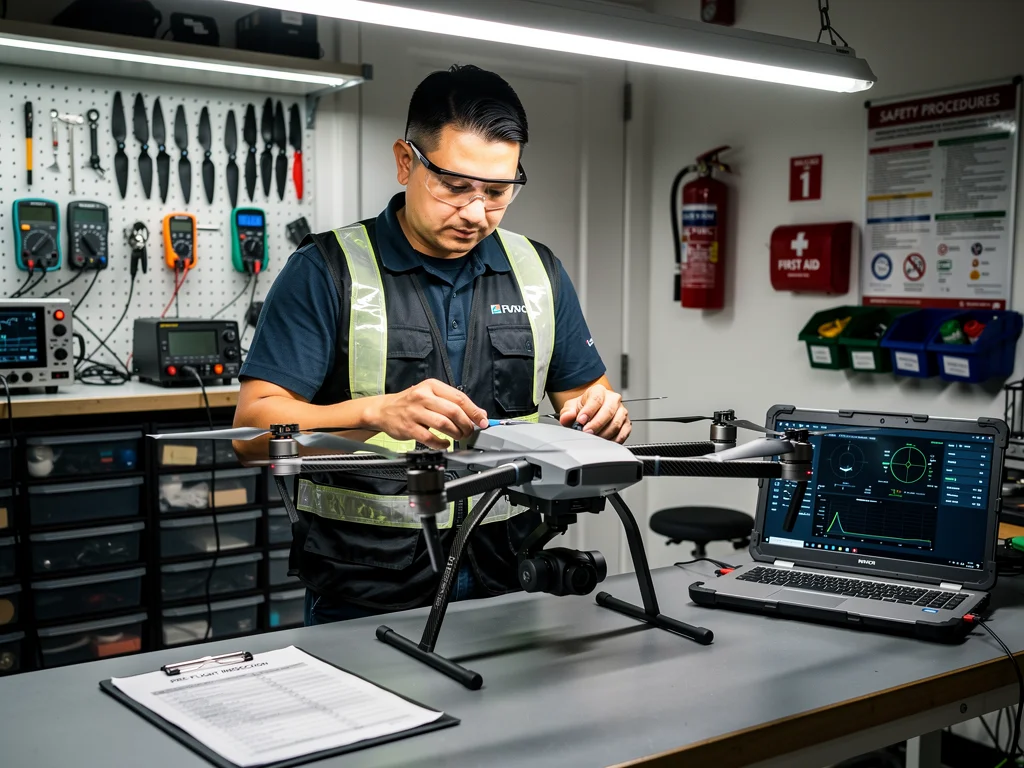
Inspection should cover blade integrity, secure attachment, and proper orientation. Many drones use self-tightening propellers that require verification of correct installation direction. Motor rotation should be confirmed through the aircraft’s pre-flight diagnostic sequence, listening for unusual sounds that might indicate bearing issues or debris interference.
Balancing and Replacement Schedules
Propeller balancing becomes necessary when vibration levels increase beyond normal parameters. Imbalanced propellers cause excessive wear on motors and can trigger flight controller errors. Replacement schedules vary by usage patterns, but proactive replacement before visible degradation appears represents sound operational practice.
Firmware and Software Verification
Keeping drone technology firmware current represents a crucial safety practice that many operators neglect. Manufacturers release updates to address discovered vulnerabilities, improve stability, and add new features. Outdated firmware may lack important safety protections or contain known bugs that could compromise flight.
Pre-flight software verification should confirm both controller and aircraft firmware versions. Most modern drone technology apps alert users to available updates, but operators should develop the habit of checking manually, especially before important flights. App updates also require attention, as they often contain improvements to flight planning and telemetry displays.
Calibration Requirements
Compass and IMU calibration become necessary after firmware updates, firmware reverts, or when flying in areas with significant magnetic interference. Pre-flight checklists should include verification that required calibrations have been completed successfully. Failed or incomplete calibrations should ground the aircraft until properly resolved.
Environmental Assessment and Weather Evaluation
Environmental conditions significantly affect drone technology performance and safety. Wind, precipitation, temperature, and visibility all influence safe operating parameters. Pre-flight weather evaluation should include current conditions, forecast trends, and potential localized variations.
Advertisement
Wind speed limits vary by aircraft capability and operator experience. Most consumer drones handle moderate winds effectively but become hazardous in conditions exceeding their design parameters. Precipitation presents multiple risks, including water ingress, reduced visibility, and temperature-related issues like ice formation.
Location-Specific Considerations
Flying location significantly impacts pre-flight assessment requirements. Urban environments present electromagnetic interference challenges, while coastal areas introduce salt corrosion concerns. Altitude affects air density and therefore lift generation. Operators should develop location-specific checklists that address particular hazards in their typical operating areas.
Control Link and Communication Verification
Stable communication between controller and aircraft forms the foundation of safe drone operations. Pre-flight verification should confirm signal strength, latency within acceptable parameters, and proper response to control inputs. Drone technology systems typically include range test functions that verify link quality without actually flying the aircraft.
Return-to-home functionality depends on reliable GPS reception and clear communication paths. Pre-flight checks should verify GPS lock before departure and confirm that return-to-home parameters are correctly set. Interference sources like power lines, buildings, or other electronic devices can compromise link reliability and should be identified during pre-flight planning.
Legal Compliance and Airspace Awareness
Regulatory compliance represents an often-overlooked aspect of pre-flight preparation. Airspace restrictions, registration requirements, and operational limitations vary by jurisdiction and change over time. Drone technology apps increasingly incorporate airspace information, but operators bear responsibility for understanding and following applicable rules.
Pre-flight legal verification should include checking NOTAMs, temporary flight restrictions, and local ordinances. Many areas require specific permissions for commercial operations or flights near sensitive locations. Maintaining awareness of evolving regulations demonstrates professional responsibility and helps preserve access to flying sites.
What This Means
The seven essential pre-flight checks represent accumulated industry knowledge designed to maximize safety and reliability. As drone technology continues advancing, new diagnostic capabilities emerge, but the fundamental importance of systematic inspection remains constant. Operators who develop consistent pre-flight habits protect their investments, ensure predictable performance, and contribute to the broader reputation of the drone community. Regular practice of these checks transforms them from time-consuming procedures into natural components of every flight operation, ultimately saving time while preventing incidents that could grounded aircraft for extended periods.