Shein Scams 2026: 4 Red Flags to Protect Yourself
Advertisement
Shein scams are evolving in 2026. Fraudsters create fake apps, phishing emails, and counterfeit sites that mimic the popular retailer. Recognizing these threats is essential for safe shopping. This guide covers four red flags that help you identify Shein-related scams before they steal your money or personal data.
Avoiding Shein Scams in 2026: 4 Red Flags to Watch Out For
Online shopping has become the default way millions of Americans buy clothing, and Shein remains one of the most visited fast-fashion platforms. With its massive popularity comes an unfortunate reality: scammers are actively targeting Shein customers through increasingly sophisticated methods. Understanding how these scams work is the first line of defense for any shopper.
The threat landscape has shifted dramatically. What once involved basic email phishing now includes fake mobile apps, counterfeit websites, and social media impersonation. Staying informed about these tactics isn’t optional anymore, it’s necessary for anyone who shops online. This article breaks down the four most critical red flags you need to watch for in 2026.
Recognizing Fake Shein Apps and Websites
The most common vector for Shein-related fraud involves websites and mobile applications designed to look exactly like the real thing. These copycat platforms appear during seasonal sales events, holiday shopping periods, and flash sales when consumers are actively searching for deals. The visual similarity is often striking, making it difficult for even experienced shoppers to spot the difference at first glance.
Scammers invest significant effort into replicating Shein’s branding, product images, and even customer service interfaces. They purchase domain names that closely resemble the official URL, sometimes using slight misspellings or alternative extensions. This practice, known as typosquatting, catches shoppers who type quickly or follow links from unreliable sources.
Before entering any payment information, verify the website address carefully. The official Shein domain is shein.com, and the legitimate app is available exclusively through the Apple App Store and Google Play Store. Any other source claiming to offer the Shein app should be treated as suspicious. Additionally, check for HTTPS encryption and look for the padlock icon in your browser’s address bar.
Advertisement
Key Differences Between Real and Fake Sites
Fake websites often exhibit subtle but telltale signs that distinguish them from the authentic platform. The URL may contain extra characters, hyphens, or misspellings that seem minor but indicate fraud. Product prices on fake sites are typically too good to be true, offering designer items at impossibly low rates. Customer service contact information may be missing or lead to unverified communication channels.
Legitimate Shein pages include specific policy links, return instructions, and company information in the footer. Fake sites frequently lack these details or provide generic content that doesn’t match the retailer’s actual policies. Payment methods on authentic Shein include secure options like credit cards and PayPal, while scam sites may ask for gift cards, wire transfers, or cryptocurrency.
- Check the exact URL spelling before any purchase
- Verify the app is downloaded from official app stores only
- Look for HTTPS security indicators
- Compare prices to official Shein listings
Phishing Emails and Text Message Scams
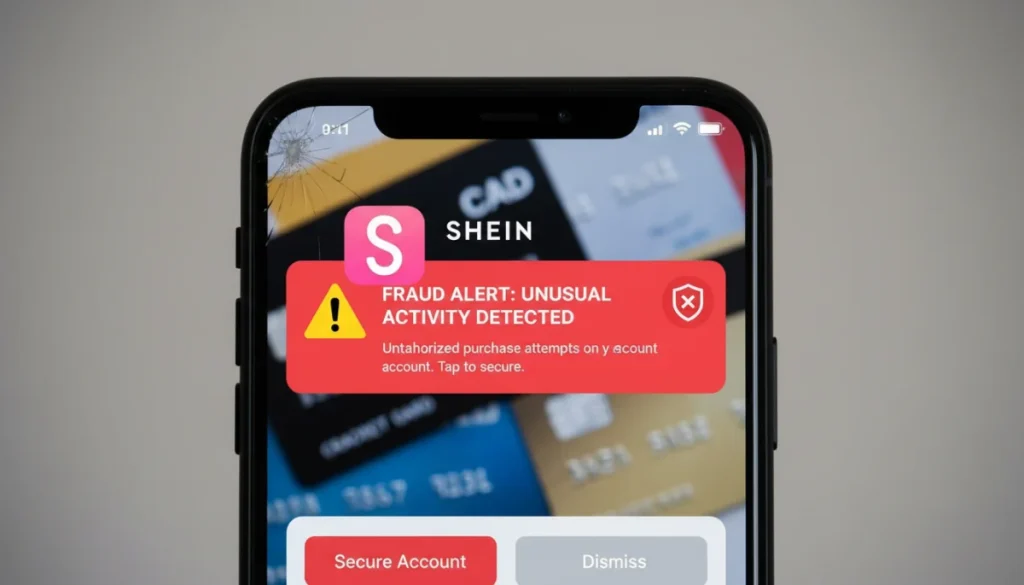
Phishing remains one of the most effective methods scammers use to steal personal information from Shein customers. These fraudulent communications arrive via email or text message, claiming to be from Shein’s customer service team. The messages typically create urgency, informing recipients of account problems, order issues, or prize winnings that require immediate action.
The design of these messages often mimics Shein’s official communication style, including logos, color schemes, and formatting that closely resembles genuine emails. Scammers rely on the recipient’s panic response, hoping you’ll click links or provide credentials without thinking. The urgency language, such as “act now” or “account will be suspended,” is a deliberate tactic to prevent careful analysis.
Authentic Shein communications come from domains ending in @shein.com and never ask for passwords, payment information, or personal details through email or text. Any message requesting this information should be deleted immediately. When in doubt, log directly into your Shein account through the official website rather than clicking any links in unexpected messages.
How to Identify Phishing Attempts
Legitimate Shein emails address you by the name on your account and reference specific order details. Generic greetings like “Dear Customer” or “Dear User” indicate a potential scam. Suspicious links can be identified by hovering over them without clicking to reveal the actual destination URL. Misspellings, grammatical errors, and unprofessional formatting are additional warning signs.
Shein will never send unsolicited attachments or request software downloads through email. Any such communication should be considered fraudulent. Report suspicious messages to Shein’s official customer service and block the sender to prevent future attempts. These reports help the company take down scam operations and protect other shoppers.
Social Media Impersonation and Fake Promotions
Social media platforms have become fertile ground for Shein-related scams. Fraudsters create fake accounts, pages, and advertisements that impersonate the retailer, offering too-good-to-be-true promotions, gift card giveaways, and exclusive discounts. These posts spread rapidly through shares and engagement, reaching thousands of potential victims before being reported and removed.
The most common social media scam involves fake Shein gift card offers. Users are asked to complete surveys, share posts, or provide personal information in exchange for gift cards that never arrive. These scams exploit the desire for free merchandise and the trust consumers place in brand-named promotions. The psychological manipulation is sophisticated, using fake testimonials and countdown timers to create false urgency.
Always verify promotions through Shein’s official website or verified social media accounts. The company’s real giveaways and contests are clearly advertised on its official channels and never require providing sensitive information to third parties. When a promotion seems extraordinary, it likely is, and verifying before engaging protects your personal data.
Red Flags in Social Media Promotions
Authentic Shein promotions include specific terms and conditions, official rules, and clear eligibility requirements. Fake promotions often lack these details or contain vague language. The account age and verification status of social media accounts offering deals should be checked before engaging. Newly created accounts with few followers promoting major giveaways are almost certainly scams.
Comments on scam posts often contain fake positive responses from bot accounts designed to appear legitimate. These comments may use similar language patterns and generic praise. Instead of relying on comment sections for social proof, visit Shein’s official website directly to confirm any advertised promotion.
Advertisement
Protecting Your Personal and Financial Information
The ultimate goal of most Shein scams is obtaining your personal information, including addresses, phone numbers, and especially payment credentials. Once scammers have this data, they can make unauthorized purchases, open fraudulent accounts, or sell your information on the dark web. Protecting this information requires vigilance and consistent security practices.
Using unique passwords for each online retailer, including Shein, prevents credential stuffing attacks where hackers use leaked passwords from one site to access others. Enabling two-factor authentication adds an extra layer of security, requiring a verification code in addition to your password. Regularly monitoring your financial statements helps identify unauthorized charges quickly.
Consider using virtual credit cards or payment services like PayPal when shopping on any e-commerce platform. These services add a layer of separation between your primary financial accounts and potential scammers. If a scammer obtains virtual card information, your actual bank accounts remain protected. Many banks now offer virtual card generation through their mobile apps.
What Happens Now
The methods used to scam Shein shoppers will continue evolving as security measures improve and consumers become more aware. Scammers adapt quickly, developing new tactics that bypass existing protections. Staying informed about emerging scam patterns and sharing knowledge with fellow shoppers creates a more resilient shopping community.
Shein and other retailers are working to combat fraud through improved verification systems, customer education, and cooperation with law enforcement. However, individual vigilance remains your most effective protection. By recognizing the red flags outlined in this guide and applying cautious shopping practices, you can enjoy all Shein has to offer without becoming a victim of scams.
The responsibility for safe shopping ultimately rests with each consumer. Take time to verify before you buy, question deals that seem too good to be true, and report suspicious activity when you encounter it. These small actions contribute to a safer online shopping environment for everyone.