Smart Pet Tech: 5 Gadgets to Monitor Your Pet’s Health
Advertisement
Smart Pet Tech: 5 Gadgets to Monitor Your Pet’s Health and Activity Levels Effectively — Discover how cutting-edge devices are transforming pet care. From activity trackers to smart feeders, these innovations provide real-time health insights for modern pet owners.
Smart Pet Tech: 5 Gadgets to Monitor Your Pet’s Health and Activity Levels Effectively
Pet ownership is evolving rapidly. Modern technology now allows owners to track their furry companions’ health with precision once available only at veterinary clinics. Smart Pet Tech: 5 Gadgets to Monitor Your Pet’s Health and Activity Levels Effectively explores the devices reshaping how we care for our animals.
The market for pet health monitoring has grown exponentially. Pet owners increasingly seek tools that provide actionable insights into their animals’ wellbeing. These gadgets bridge the gap between professional veterinary care and daily home monitoring.
Understanding the Rise of Pet Health Technology
Recent years have seen remarkable advances in wearable technology for animals. Manufacturers now design devices specifically for pets, considering their unique physiology and behavior patterns. The result is a new generation of tools that deliver meaningful health data.
These innovations address several key concerns for pet owners. Many animals hide signs of illness until conditions become serious. Continuous monitoring helps detect problems early, improving outcomes and reducing veterinary costs. Additionally, active pets benefit from activity tracking that ensures they receive appropriate exercise.
Why Monitoring Matters
Early detection of health issues remains the primary benefit of smart pet technology. Devices can identify changes in activity patterns, sleep quality, and vital signs that might indicate developing problems. This proactive approach represents a significant shift from reactive pet care.
Advertisement
Modern pet parents also value the peace of mind that comes with remote monitoring. Whether working long hours or traveling, they can check on their pets’ wellbeing through smartphone apps. This connectivity strengthens the bond between owners and their animals.
- Continuous health data collection enables pattern recognition
- Early warning systems alert owners to potential issues
- Remote monitoring provides peace of mind
- Data sharing with veterinarians improves care coordination
Activity Trackers and Smart Collars
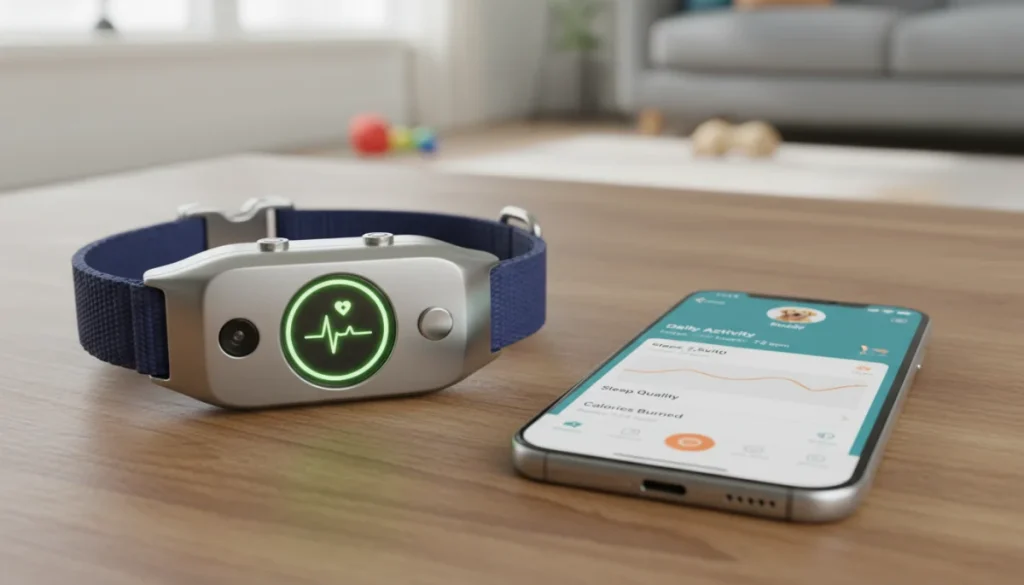
The first category of devices involves sophisticated tracking technology. These wearables attach to collars and capture movement data throughout the day. Advanced sensors measure steps, distance traveled, calories burned, and even sleep patterns.
Many modern activity trackers include heart rate monitoring and temperature sensing. These metrics provide comprehensive views of pet health. Some devices even detect specific activities like running, walking, or resting, offering detailed activity breakdowns.
GPS and Health Monitoring Combined
Several manufacturers now offer collars that combine location tracking with health monitoring. This dual functionality addresses two major concerns for pet owners: safety and wellbeing. The integration into single devices simplifies adoption and reduces cost.
These smart collars typically feature companion apps that present data in understandable formats. Owners receive daily activity summaries and can set goals for their pets. Notifications alert them to significant changes in behavior patterns.
Smart Feeders and Nutritional Monitoring
Proper nutrition forms the foundation of pet health. Smart feeders bring precision to meal management, allowing owners to control portions and schedules remotely. These devices prove particularly valuable for pets requiring specific diets or weight management.
Advanced models track food consumption in real time. They identify eating patterns and can detect decreases in appetite that might indicate health issues. Integration with activity data helps balance caloric intake with energy expenditure.
Features That Matter
When evaluating smart feeders, consider their capacity, connectivity, and power backup systems. Look for devices that offer flexible scheduling and precise portion control. Some models include cameras, enabling owners to observe mealtime behaviors remotely.
Multi-pet households benefit from feeders that identify individual animals. This technology prevents food stealing and ensures each pet receives appropriate nutrition. Many systems generate feeding reports that help identify consumption trends over time.
- Programmable feeding schedules reduce guesswork
- Portion control supports weight management goals
- Consumption tracking identifies appetite changes
- Camera integration enables remote monitoring
Smart Water Fountains and Hydration Tracking
Proper hydration proves essential for pet health, yet many animals don’t drink enough water. Smart water fountains encourage consumption through flowing water designs that appeal to pets. Advanced models track intake volume and alert owners to potential dehydration.
These devices typically include filtration systems that maintain water freshness. Some connect to apps that monitor daily consumption and compare it to recommended levels for the pet’s size and activity level. Unusual drinking patterns trigger notifications.
Advertisement
Choosing the Right System
Consider fountain capacity and your pet’s preferences when selecting a model. Some animals prefer certain water movements or sounds. Look for devices with easy cleaning schedules, as hygiene directly impacts water consumption. Smart connectivity adds value through tracking capabilities.
The technology works best when integrated with other monitoring devices. Combining hydration data with activity tracking provides comprehensive views of pet wellbeing. This holistic approach helps owners understand the relationships between different health factors.
Environmental Monitors and Wellness Sensors
Beyond tracking pets directly, technology now monitors their environments. Smart sensors track temperature, humidity, and air quality in areas where pets spend time. These factors significantly impact animal health and comfort.
Some advanced systems include noise detection that identifies concerning sounds like excessive barking or coughing. Others monitor light levels and activity in pet areas. This environmental awareness helps owners ensure optimal living conditions.
Data-Driven Pet Care
The information gathered by these devices creates detailed health profiles over time. Machine learning algorithms increasingly can identify patterns that suggest developing issues. This predictive capability represents the future of preventive pet care.
Veterinarians appreciate having objective data to supplement their examinations. Many pet health apps allow sharing reports directly with veterinary practices. This collaboration improves diagnostic accuracy and treatment planning.
Integrating Multiple Devices for Complete Monitoring
While individual devices offer valuable insights, combining multiple technologies provides comprehensive monitoring. The ecosystem approach allows correlation of different health metrics. Activity data combined with nutrition information creates complete pictures of pet wellbeing.
Most modern devices integrate through common platforms or apps. This consolidation simplifies data management and reduces the complexity of monitoring multiple pets. Look for devices that support common smart home standards for maximum flexibility.
Building Your Smart Pet System
Start with the devices that address your specific concerns. Activity trackers suit pets with weight issues or those recovering from injuries. Smart feeders benefit animals requiring dietary management. Gradually add devices as your needs evolve and budgets allow.
Remember that technology supplements but doesn’t replace regular veterinary care. Use data from smart devices to inform veterinary visits and support early intervention when needed. The goal is creating partnerships between technology, owners, and veterinary professionals.
What Happens Now
The trajectory of pet health technology points toward increasingly sophisticated capabilities. Artificial intelligence will improve pattern recognition and predictive analytics. Integration with veterinary telemedicine will expand, enabling remote consultations supported by continuous data.
Pet owners embracing these technologies gain powerful tools for maintaining animal health. The devices profiled here represent current best options for monitoring activity levels and overall wellbeing. As the field evolves, expect even more innovative solutions to emerge.
Adopting Smart Pet Tech: 5 Gadgets to Monitor Your Pet’s Health and Activity Levels Effectively represents a commitment to proactive pet care. These tools empower owners to understand their animals better than ever before, strengthening the bonds that make pet ownership so rewarding.